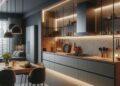
Embark on a journey with DIY Kitchens Lighting Hacks: Transforming Your Space with Simple Upgrades, where the magic of lighting unfolds to redefine the essence of your kitchen. This captivating guide delves into the art of illuminating your space through cost-effective DIY upgrades, promising a kitchen transformation like never before.
Delve into a world where lighting isn't just functional but also a design element that can elevate the heart of your home.
Introduction to DIY Kitchen Lighting Hacks
Lighting plays a crucial role in the functionality and aesthetics of a kitchen space. It not only illuminates the area for cooking and meal preparation but also sets the mood and ambiance of the room.
By strategically incorporating different lighting fixtures and techniques, you can completely transform the look and feel of your kitchen. Whether you want to create a cozy atmosphere for family gatherings or a bright workspace for cooking, the right lighting can make a significant impact.
The Importance of Lighting in a Kitchen Space
Proper lighting in the kitchen is essential for enhancing visibility, safety, and productivity. It ensures that you can easily navigate through the space, read recipes, and prepare meals without straining your eyes.
- Good lighting can also highlight the design elements of your kitchen, such as backsplashes, countertops, and cabinets, adding depth and dimension to the room.
- It can make the space feel more inviting and welcoming, encouraging you to spend more time in the kitchen and enjoy the cooking process.
- Moreover, the right lighting can even make a small kitchen appear larger by creating an illusion of space and openness.
Transforming the Overall Ambiance of the Kitchen
Lighting has the power to completely change the mood and atmosphere of your kitchen. By adjusting the brightness, color temperature, and placement of lights, you can create different effects and tailor the ambiance to your liking.
- Soft, warm lighting can create a cozy and intimate setting, perfect for relaxing meals or evening gatherings.
- Bright, white light is ideal for task-oriented activities like cooking and food preparation, providing clarity and focus in the kitchen.
- Accent lighting can be used to highlight specific areas or features in the kitchen, adding visual interest and drama to the space.
Cost-Effective DIY Lighting Upgrades
DIY lighting projects offer a budget-friendly way to enhance your kitchen without breaking the bank. With a little creativity and some basic tools, you can easily upgrade your lighting fixtures and transform the look of your space.
- Repurposing existing fixtures or adding new ones can instantly change the ambiance of your kitchen without the need for extensive renovations.
- Installing dimmer switches or smart lighting systems can give you more control over the brightness and color of your lights, allowing you to adjust them according to your needs and preferences.
- By exploring DIY lighting hacks, you can personalize your kitchen's lighting design and create a space that reflects your style and personality.
Types of Lighting Fixtures for Kitchens
When it comes to lighting up your kitchen, there are various types of lighting fixtures to choose from. Each type has its own set of pros and cons, so it's important to consider your kitchen size and layout before making a decision.Pendant Lights
Pendant lights are a popular choice for kitchens as they can provide both task and ambient lighting. They come in a variety of styles and designs, making them a versatile option for different kitchen aesthetics.- Pros:
- Great for task lighting over kitchen islands or dining areas
- Adds a decorative element to the space
- Cons:
- May require professional installation
- Limited in terms of adjustable light direction
Under Cabinet Lighting
Under cabinet lighting is perfect for illuminating countertops and workspaces in the kitchen. It can help reduce shadows and provide additional task lighting for food preparation.- Pros:
- Improves visibility for cooking and meal prep
- Creates a warm ambiance in the kitchen
- Cons:
- May require wiring and installation under cabinets
- Can be more expensive than other lighting options
Recessed Lighting
Recessed lighting is a sleek and modern option for kitchens, providing overhead lighting without taking up visual space. It can be used for general lighting or to highlight specific areas in the kitchen.- Pros:
- Offers a clean and unobtrusive look
- Can be dimmable for adjustable lighting levels
- Cons:
- May require professional installation for wiring and placement
- Limited in terms of adjustable light direction
Creative DIY Lighting Ideas
In this section, we will explore some creative DIY lighting ideas to transform your kitchen space with simple upgrades.DIY Pendant Lights Using Household Items
Creating your own pendant lights can be a fun and cost-effective way to add a unique touch to your kitchen. Here's a step-by-step guide to making DIY pendant lights using common household items:- Gather materials such as metal wire baskets, light bulb sockets, and electrical cords.
- Remove the bottom of the wire basket to create an opening for the light bulb.
- Secure the light bulb socket inside the wire basket and attach the electrical cord.
- Hang your DIY pendant lights above your kitchen island or dining table for a stylish and personalized look.
Incorporating LED Strip Lighting
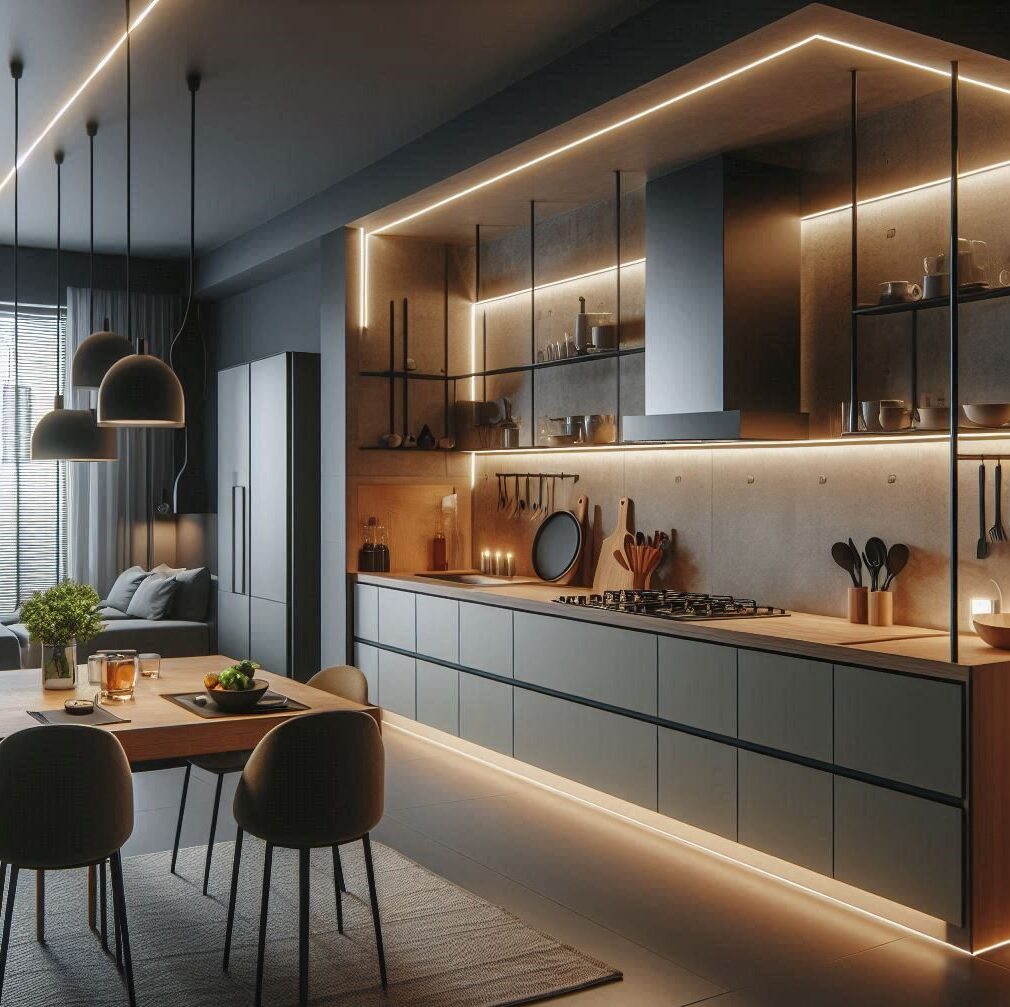
LED strip lighting is a versatile option for adding modern and sleek lighting to your kitchen. Here are some innovative ways to incorporate LED strip lighting:- Install LED strip lights under cabinets or shelves to provide task lighting for food preparation areas.
- Use LED strip lights to highlight architectural features or create a soft ambient glow in your kitchen space.
- Experiment with different colors and brightness levels to achieve the desired mood and ambiance in your kitchen.
Repurposing Old Fixtures
Repurposing old fixtures is a sustainable and creative way to add unique lighting elements to your kitchen. Here's how you can repurpose old fixtures for a personalized touch:- Transform an old mason jar into a rustic pendant light by adding a light bulb socket and hanging it from the ceiling.
- Turn an antique lantern into a charming hanging light fixture by rewiring it with a new light bulb socket.
- Repurpose an old chandelier by painting it in a modern color and updating the light bulbs for a fresh and contemporary look.
Energy-Efficient Lighting Solutions
When it comes to kitchen lighting, energy efficiency is key to not only saving on electricity bills but also reducing your carbon footprint. By incorporating energy-efficient lighting solutions, you can brighten up your space while being environmentally conscious. Let's explore some options to make your kitchen more energy-efficient.Benefits of Using LED Bulbs
- LED bulbs consume significantly less energy compared to traditional incandescent bulbs, resulting in cost savings over time.
- They have a longer lifespan, meaning you won't have to replace them as frequently, reducing maintenance costs.
- LED bulbs produce less heat, making them safer to use in the kitchen, especially near flammable materials.
- These bulbs are available in various color temperatures, allowing you to customize the ambiance of your kitchen.
Optimizing Natural Light Sources
- Maximize natural light by keeping windows clean and free of obstructions like curtains or blinds during the day.
- Consider installing skylights or light tubes to bring in more natural light without consuming electricity.
- Use light-colored surfaces and glossy finishes in your kitchen to reflect natural light and brighten up the space.
Smart Lighting Options
- Install smart light bulbs that can be controlled remotely via a smartphone or voice assistant, allowing you to adjust brightness and color temperature.
- Use motion sensor lights in areas where you need temporary illumination, such as inside cabinets or pantries.
- Explore smart lighting systems that can be programmed to mimic natural light patterns throughout the day, promoting a healthier circadian rhythm.
Lighting Design Tips for Small Kitchens
When it comes to small kitchens, proper lighting design can make a huge difference in how spacious and functional the space feels. By strategically placing and layering different types of lighting fixtures, you can create a more open and inviting kitchen area.Utilize Task Lighting for Functionality
Task lighting is essential in small kitchens to ensure that specific work areas are well-lit for cooking, food prep, and other tasks. Consider installing under-cabinet lights, pendant lights above the sink or island, or track lighting to illuminate key areas without taking up valuable space.
Layer Different Types of Lighting
To add depth and dimension to a small kitchen, it's important to layer different types of lighting. Combine ambient lighting with task lighting and accent lighting to create a well-rounded lighting scheme. For example, use recessed ceiling lights for overall illumination, pendant lights for task lighting, and LED strips for under-cabinet accent lighting.
Safety Considerations for DIY Kitchen Lighting Projects
 When embarking on DIY kitchen lighting projects, it is crucial to prioritize safety to prevent accidents and ensure the proper functioning of your lighting fixtures. Here are some key safety considerations to keep in mind:
Identifying Common Safety Hazards
- Exposed Wires: Always be cautious of exposed wires when handling lighting fixtures, as they can pose a risk of electric shock.
- Water Exposure: Avoid installing lighting fixtures near water sources to prevent the risk of electrical hazards.
- Overloading Circuits: Do not overload circuits with too many lighting fixtures, as this can lead to overheating and potential fire hazards.
Tips for Safe Installation and Maintenance
- Turn Off Power: Before starting any installation or maintenance work, always remember to turn off the power to the area where you will be working.
- Use Proper Tools: Ensure you have the right tools for the job and follow the manufacturer's instructions for installation.
- Regular Inspections: Periodically inspect your lighting fixtures for any signs of wear or damage, and replace them if necessary to prevent safety risks.
Importance of Consulting a Professional Electrician
For complex lighting projects or if you are unsure about any aspect of the installation process, it is highly recommended to consult a professional electrician.Electricians have the expertise to safely handle electrical work and ensure that your lighting fixtures are installed correctly and in compliance with building codes.
Last Point
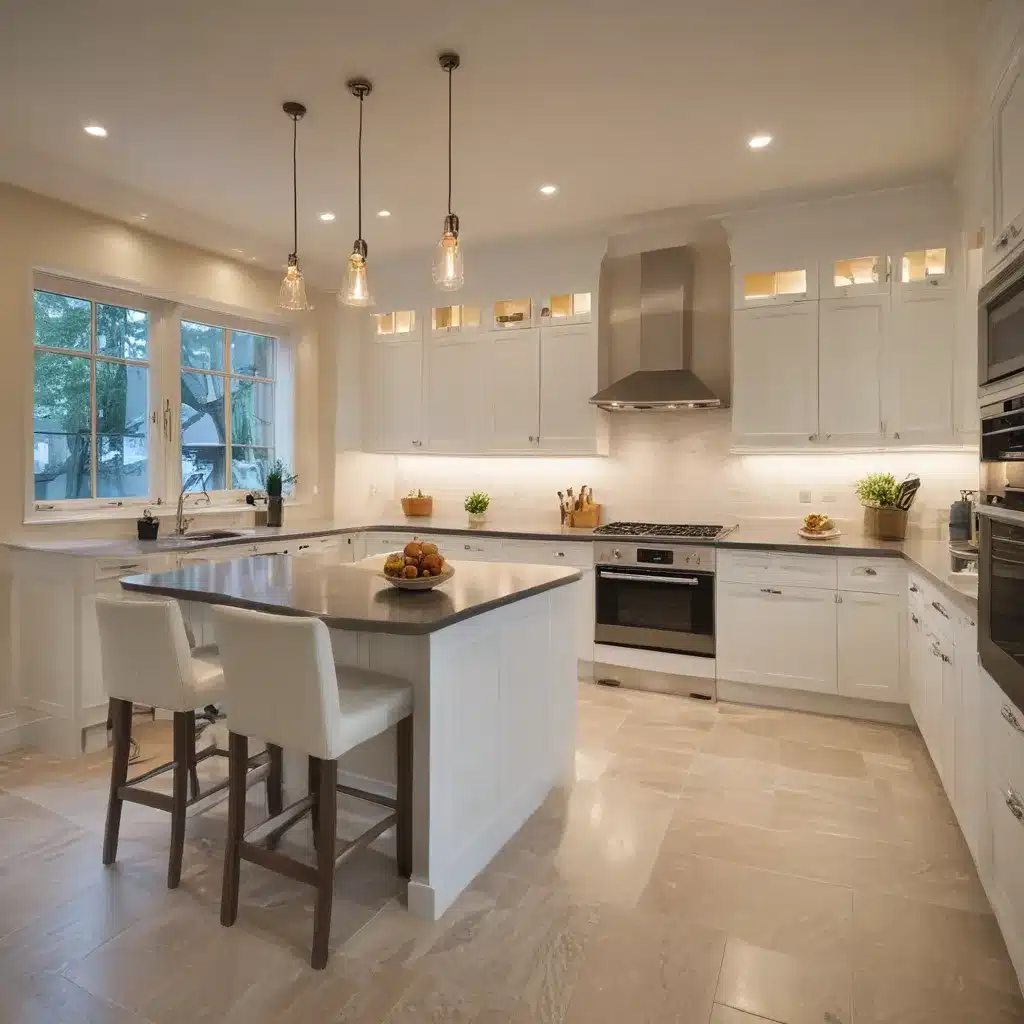
As we conclude our exploration of DIY Kitchens Lighting Hacks: Transforming Your Space with Simple Upgrades, remember that the power of lighting extends far beyond mere functionality. It has the ability to breathe new life into your kitchen, creating a space that is not just visually appealing but also a reflection of your unique style and personality.
FAQs
How can I choose the right lighting fixtures for my kitchen?
Consider the size and layout of your kitchen to determine the type of lighting fixtures that would work best. Pendant lights are great for islands, under cabinet lighting adds task lighting, and recessed lighting provides ambient light.
What are some creative ways to incorporate LED strip lighting in my kitchen?
You can use LED strip lighting above cabinets for a modern look, under cabinets for task lighting, or even inside cabinets for a unique glow. The versatility of LED strips allows for endless possibilities in transforming your kitchen ambiance.
Is it safe to install DIY lighting fixtures in my kitchen?
While DIY projects can be fun and cost-effective, it's crucial to follow safety guidelines. Ensure proper installation, avoid overloading circuits, and consult a professional electrician for complex projects to ensure safety and compliance with electrical codes.