RWE Design Build Case Studies: Transforming Industrial Shells into Creative Hubs sets the stage for this enthralling narrative, offering readers a glimpse into a story that is rich in detail and brimming with originality from the outset.
In this article, we will delve into the fascinating world of repurposing industrial spaces into vibrant creative hubs, exploring successful projects, design elements, community benefits, and environmental impacts.
Introduction to RWE Design Build Case Studies
At RWE Design Build, the concept of transforming industrial shells into creative hubs is at the core of their innovative approach to architecture and design. By repurposing existing industrial spaces, they breathe new life into these structures, turning them into vibrant and inspiring environments.
Some successful projects done by RWE Design Build include the conversion of old warehouses into modern office spaces, the transformation of unused factories into trendy art galleries, and the renovation of industrial buildings into dynamic co-working spaces.
The importance of repurposing industrial spaces for creative use cannot be understated. Not only does it help in revitalizing neglected areas of a city, but it also promotes sustainability by recycling existing structures rather than building new ones from scratch. Additionally, repurposing industrial shells into creative hubs contributes to the preservation of a city's industrial heritage while fostering a sense of community and creativity.
Benefits of Transforming Industrial Shells
Repurposing industrial buildings for creative purposes brings about a multitude of advantages that positively impact both the environment and the community.
Enhanced Aesthetics and Functionality
By transforming industrial spaces into creative hubs, there is a significant improvement in the aesthetic appeal and functionality of the area. The once dull and uninviting industrial shells are revitalized into vibrant spaces that inspire creativity and innovation.
Economic Revitalization
Converting industrial buildings into creative hubs can lead to economic revitalization in the surrounding areas. These transformed spaces often attract businesses, artists, and visitors, thereby creating opportunities for economic growth and development.
Social Connectivity
Transforming industrial shells into creative hubs fosters social connectivity within the community. These spaces become hubs for cultural events, workshops, and collaborations, bringing people together and strengthening community bonds.
Design Elements in Industrial Shell Transformation
In the transformation of industrial shells into creative hubs, RWE Design Build incorporates key design elements that blend industrial aesthetics with creative design concepts. This seamless integration creates unique spaces that not only preserve the industrial heritage but also inspire creativity and innovation.Key Design Elements
- Adaptive Reuse: RWE Design Build repurposes existing industrial structures, incorporating elements like exposed brick walls, steel beams, and large windows into the design.
- Open Floor Plans: Embracing the spacious layouts of industrial buildings, open floor plans are utilized to foster collaboration and flexibility in the workspace.
- Industrial Materials: Utilization of materials like concrete, metal, and reclaimed wood adds a raw and authentic industrial vibe to the design.
- Creative Workspaces: Incorporation of unique features such as mezzanines, skylights, and atriums to enhance the creative environment.
Incorporating Industrial Aesthetics
RWE Design Build seamlessly incorporates industrial aesthetics into their creative hub designs by preserving and highlighting the original features of the industrial shells. Exposed structural elements, high ceilings, and raw materials are celebrated and integrated with modern design elements to create a harmonious blend of old and new.Challenges and Considerations
- Balance: Finding the right balance between industrial and creative design elements to create a cohesive and functional space.
- Historical Preservation: Ensuring that the integrity and historical significance of the industrial shell are maintained throughout the transformation process.
- Adaptability: Addressing the unique challenges of repurposing industrial spaces to meet the diverse needs of modern creative industries.
Impact on the Surrounding Environment
Transforming industrial shells into creative hubs has a profound impact on the surrounding neighborhood, revitalizing urban areas and promoting sustainability.
Revitalization of Urban Areas
When industrial shells are transformed into creative hubs, it breathes new life into the surrounding neighborhood. These projects often attract artists, entrepreneurs, and other creative individuals, leading to an increase in foot traffic, economic activity, and community engagement. For example, the conversion of an old warehouse into a vibrant art gallery can draw visitors from far and wide, turning a previously neglected area into a cultural hotspot.
Sustainability Aspects
By repurposing existing industrial structures instead of constructing new buildings from scratch, these transformations contribute to sustainable development. The reuse of materials and infrastructure reduces waste and minimizes the environmental impact of the construction process. Additionally, creative hubs often incorporate sustainable design elements such as energy-efficient lighting, green spaces, and eco-friendly practices, further enhancing their positive impact on the environment.
Closure
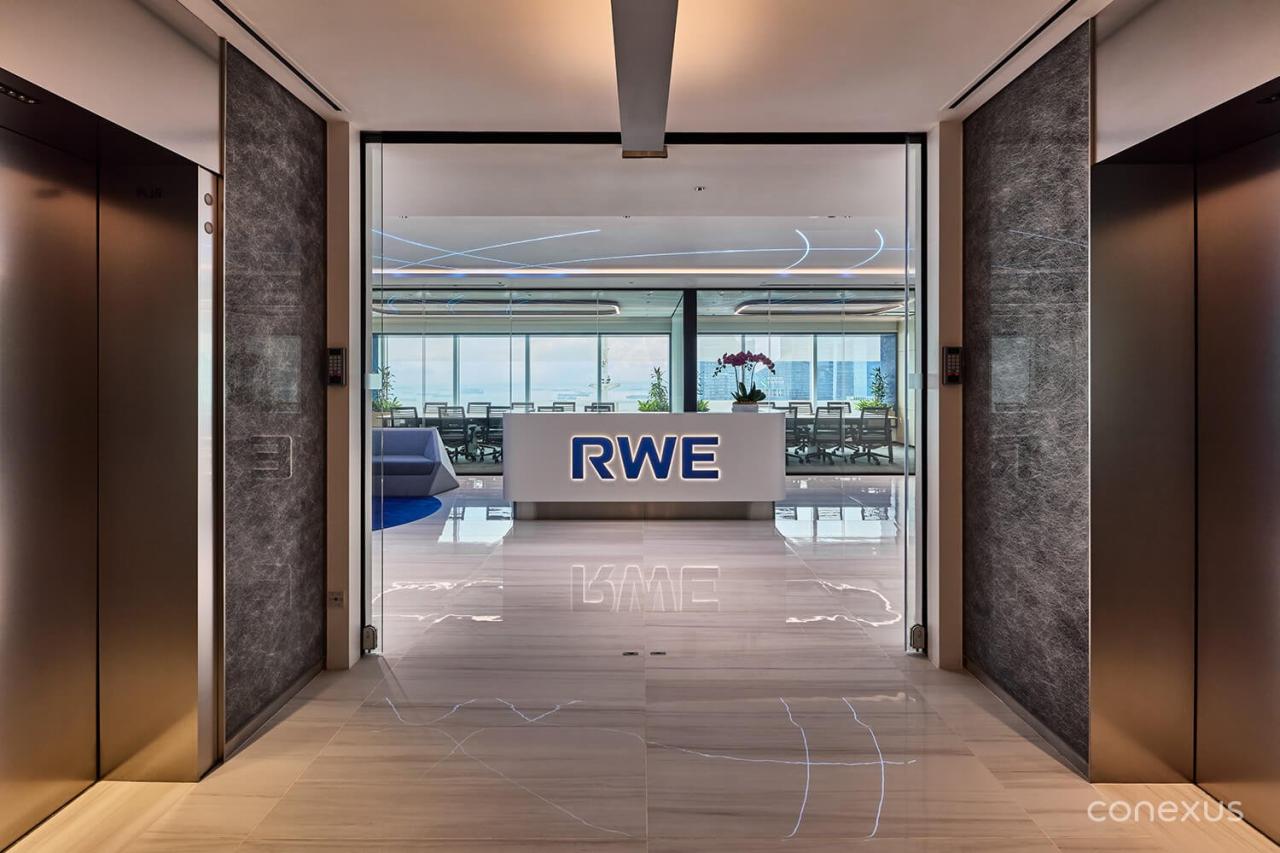
In conclusion, RWE Design Build's innovative approach to transforming industrial shells into creative hubs not only breathes new life into old structures but also fosters community development and sustainability. The blend of industrial aesthetics with modern creativity showcased in their projects is truly inspiring.
Clarifying Questions
What are the key design elements used by RWE Design Build?
RWE Design Build incorporates elements like exposed brick walls, open floor plans, and industrial lighting to create a unique blend of old and new in their projects.
How do these transformations impact the surrounding environment?
By revitalizing urban areas, these projects attract more foot traffic, stimulate local economies, and contribute to a more vibrant community atmosphere.