As RWE Design Build: Navigating Zoning Laws and Permits in Major Global Cities takes center stage, this opening passage beckons readers with a crafted world of good knowledge, ensuring an absorbing and distinctly original reading experience.
In the following paragraphs, we will delve into the intricate details of zoning laws, permit requirements, legal consultations, and case studies related to RWE Design Build projects in major global cities.
Understanding Zoning Laws
Zoning laws are regulations that control the use of land in different areas to ensure orderly development and protect the quality of life for residents. These laws divide land into different zones or districts, each with specific permitted land uses and restrictions.Types of Zoning Categories
- Residential: These zones are designated for housing purposes, such as single-family homes, apartments, or townhouses. They often have restrictions on building height and density to maintain a certain quality of life for residents.
- Commercial: Commercial zones are intended for businesses and services. They may include retail stores, restaurants, offices, or hotels. Restrictions may apply to the size and type of businesses allowed in these areas.
- Industrial: Industrial zones are reserved for manufacturing, warehousing, or other industrial activities. These areas may have limitations on noise levels, pollution, and building height to protect the surrounding environment.
Importance of Complying with Zoning Laws
Complying with zoning laws is crucial for construction projects to avoid legal issues, fines, or delays. Failure to adhere to these regulations can result in the halting of construction, removal of structures, or even lawsuits. It is essential to understand and follow zoning laws to ensure the success and legality of a project.Comparison of Zoning Laws in Major Global Cities
| City | Zoning Regulations |
|---|---|
| New York City, USA | New York has complex zoning laws that regulate building height, density, and land use. The city is divided into various zones, including residential, commercial, and manufacturing. |
| Tokyo, Japan | Tokyo's zoning laws focus on earthquake resistance and building standards. The city has specific regulations for mixed-use developments and green spaces. |
| London, UK | London's zoning laws prioritize historical preservation and architectural integrity. The city has strict regulations on building design, height, and conservation areas. |
Navigating Permit Requirements
When embarking on a construction project, obtaining the necessary permits is a crucial step to ensure compliance with local regulations and avoid potential legal issues. Let's delve into the typical permits required, the process of obtaining them in major global cities, the consequences of bypassing this step, and tips for expediting the permit approval process.
Typical Permits Required
- Building Permit: This permit is essential for any construction work and ensures that the project complies with building codes and regulations.
- Zoning Permit: It verifies that the intended use of the building or land is in accordance with the local zoning laws.
- Electrical Permit: Required for any electrical work to guarantee safety and compliance with electrical codes.
- Plumbing Permit: Necessary for plumbing installations to ensure they meet plumbing codes and standards.
Process of Obtaining Permits in Major Global Cities
Obtaining permits can vary depending on the city, but generally involves submitting detailed plans, paying fees, and undergoing inspections. In major global cities like New York, London, and Tokyo, the process may be more complex due to higher demand and stricter regulations.
Consequences of Building Without Proper Permits
Building without the required permits can lead to serious consequences, such as stop-work orders, fines, legal action, and even demolition of the structure. It is crucial to adhere to the permitting process to avoid these repercussions.
Tips for Expediting the Permit Approval Process
- Engage with a professional: Hiring a permit expediter or consultant can help navigate the process more efficiently.
- Submit complete and accurate documentation: Providing all necessary information upfront can prevent delays in the approval process.
- Communicate effectively with authorities: Building a good relationship with permit officials can streamline the process and resolve any issues promptly.
- Stay organized and follow up: Keeping track of deadlines and following up on the status of your permit application can help move things along faster.
Consulting with Legal Experts
When it comes to navigating complex zoning laws and permit requirements in major global cities, consulting with legal experts can be crucial for the success of construction projects. Legal experts play a vital role in interpreting and applying the law to ensure compliance and avoid potential legal issues that could delay or halt a project.
Role of Legal Experts
Legal experts specialize in zoning laws and regulations, providing valuable insights into the nuances of local ordinances and building codes. They can review project plans, assess potential risks, and offer strategic advice on how to proceed within the legal framework.
Common Legal Challenges
- Disputes over property rights and boundaries
- Environmental impact assessments
- Historic preservation requirements
- Neighborhood opposition or community objections
Examples of Legal Expertise
Legal experts can help resolve zoning issues by negotiating with local authorities, representing clients in hearings or appeals, and drafting legal documents to secure necessary permits. For instance, if a project faces opposition from a community group, legal experts can strategize on how to address concerns and reach a compromise.
Benefits of Early Legal Advice
- Identifying potential legal hurdles before they escalate
- Ensuring compliance with zoning laws from the outset
- Minimizing delays and costly legal disputes
- Providing a proactive approach to project planning
Case Studies of RWE Design Build Projects
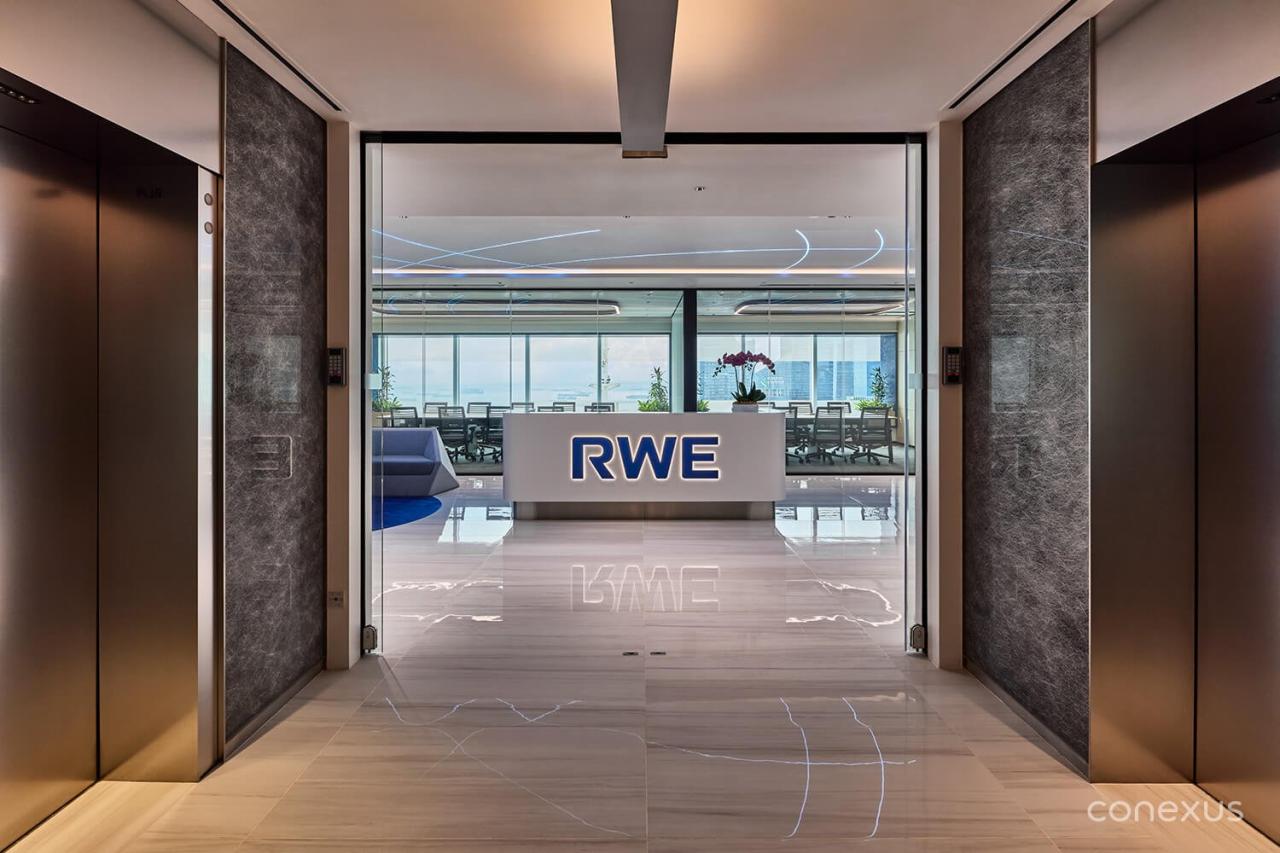 In this section, we will delve into successful projects undertaken by RWE Design Build in major global cities, examining how they navigated zoning laws and permits, the strategies employed to overcome challenges, and the valuable lessons learned for future endeavors.
RWE Design Build Project in New York City
RWE Design Build successfully completed a mixed-use development project in the heart of New York City. Navigating the complex zoning laws and permit requirements in the city required meticulous planning and attention to detail.
- Extensive research was conducted to understand the specific zoning regulations in the area, ensuring compliance with all requirements.
- RWE Design Build collaborated closely with legal experts to streamline the permitting process and address any potential roadblocks.
- The team implemented innovative design solutions that maximized space utilization while adhering to zoning constraints.
RWE Design Build Project in London
RWE Design Build undertook a renovation project in London, transforming a historic building into a modern commercial space. Navigating the stringent zoning laws in the city presented unique challenges that required creative problem-solving.
- By engaging with local authorities early in the planning stages, RWE Design Build gained valuable insights into the zoning requirements and permit procedures.
- The team leveraged their expertise in sustainable design to meet both zoning regulations and environmental standards, setting a new benchmark for eco-friendly construction in the city.
- Lessons learned from this project emphasized the importance of proactive communication with stakeholders and the value of maintaining flexibility in design to accommodate zoning changes.
Final Review
In conclusion, the journey through navigating zoning laws and permits with RWE Design Build unveils a world of challenges and triumphs, shedding light on the importance of legal expertise and strategic planning in construction projects.
Top FAQs
What are zoning laws and how do they regulate land use?
Zoning laws determine how land can be used in different areas, separating residential, commercial, and industrial zones to regulate development activities.
What are the consequences of building without proper permits?
Building without permits can lead to fines, legal issues, and even demolition of the structure, causing significant setbacks in construction projects.
How can legal experts help resolve zoning issues in construction projects?
Legal experts can provide guidance on interpreting zoning laws, representing clients in legal proceedings, and negotiating solutions with local authorities to resolve zoning conflicts.